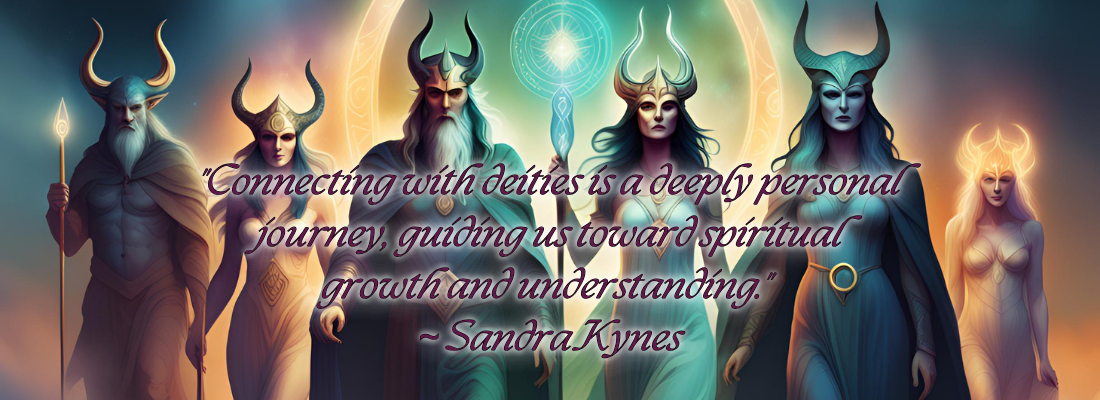
Finding Your Path – Choosing and Honoring Deities
Working with deities is a profound aspect of many spiritual and magical practices. Deities are seen as powerful, divine beings who can offer guidance, protection, and support on your spiritual journey. Finding your path in working with deities involves discovering which deities resonate with you and learning how to honor and build a relationship with them. This long-form authority post will guide you through the process of choosing and honoring deities, providing insights and practical advice for developing a meaningful and respectful spiritual practice.
Choosing Deities
Research and Exploration Begin your journey by researching various pantheons and deities from different cultures and traditions. Read mythology, folklore, and historical texts to understand the characteristics, stories, and attributes of different gods and goddesses. Pay attention to which deities you feel drawn to, as this can be an indication of a deeper spiritual connection.
Personal Resonance Reflect on your personal beliefs, values, and spiritual goals. Consider what qualities or aspects of life you seek guidance in, such as wisdom, love, protection, or creativity. Deities often embody specific attributes, and finding one that aligns with your needs and aspirations can create a strong foundation for your practice.
Signs and Synchronicities Be open to signs and synchronicities in your daily life. Sometimes, deities make their presence known through dreams, symbols, or repeated themes in your experiences. Pay attention to these subtle messages, as they can guide you toward a particular deity who wishes to work with you.
Intuition and Meditation Engage in meditation or quiet contemplation to connect with your intuition. Ask for guidance in finding a deity who aligns with your path and listen to any insights or feelings that arise. Trusting your intuition can lead you to a deeper understanding of which deity is right for you.
Honoring Deities
Creating an Altar An altar is a sacred space dedicated to your chosen deity or deities. It serves as a focal point for your worship and rituals. To create an altar, choose a clean, quiet area in your home where you can set up items that represent your deity. This can include statues, images, candles, crystals, and offerings that are meaningful to the deity. Regularly maintaining and tending to your altar shows respect and devotion.
Offerings and Rituals Offerings are a way to show gratitude and honor your deity. These can include food, drink, flowers, incense, and other items associated with the deity. When making an offering, do so with intention and respect, acknowledging the presence and power of the deity. Incorporate rituals and prayers into your practice, tailored to the specific attributes and stories of the deity. These can be daily, weekly, or aligned with lunar phases and seasonal cycles.
Study and Reflection Deepen your connection with your deity by studying their myths, symbols, and teachings. Reflect on how these aspects can be integrated into your life and spiritual practice. Journaling about your experiences and insights can also help solidify your relationship with the deity.
Communication and Devotion Regular communication with your deity is key to building a strong relationship. This can be done through prayer, meditation, or simply speaking from the heart. Share your thoughts, desires, and gratitude, and be open to receiving guidance and messages in return. Devotional acts, such as creating art, writing poetry, or performing acts of kindness in the deity’s name, can also strengthen your bond.
Living in Alignment Honor your deity by living in alignment with their values and teachings. If a deity represents wisdom, strive to seek knowledge and share it with others. If a deity embodies love and compassion, practice kindness and empathy in your interactions. Aligning your actions with the principles of your deity demonstrates your commitment and deepens your spiritual connection.
Developing a Relationship
Building a relationship with a deity is an ongoing, dynamic process. It requires patience, respect, and openness to change and growth. Be mindful that the relationship may evolve over time, with periods of intense connection and times of quiet reflection. Trust that your deity is present, even when you don’t feel their immediate influence, and continue to nurture your bond through consistent practice and devotion.
Respect and Cultural Sensitivity
When working with deities from cultures and traditions that are not your own, approach with respect and cultural sensitivity. Educate yourself about the cultural context and practices associated with the deity, and avoid appropriating sacred symbols and rituals without understanding their significance. Acknowledge the origins of the deity and honor their traditions in a way that is respectful and informed.
Finding a fit and honoring deities in your spiritual practice is a deeply personal and enriching journey. By choosing deities that resonate with you, creating sacred spaces, making offerings, studying their teachings, and living in alignment with their values, you can build a meaningful and respectful relationship with the divine. This connection can provide guidance, protection, and inspiration on your spiritual path, enhancing your practice and personal growth.

 Unleash Your Inner Witch